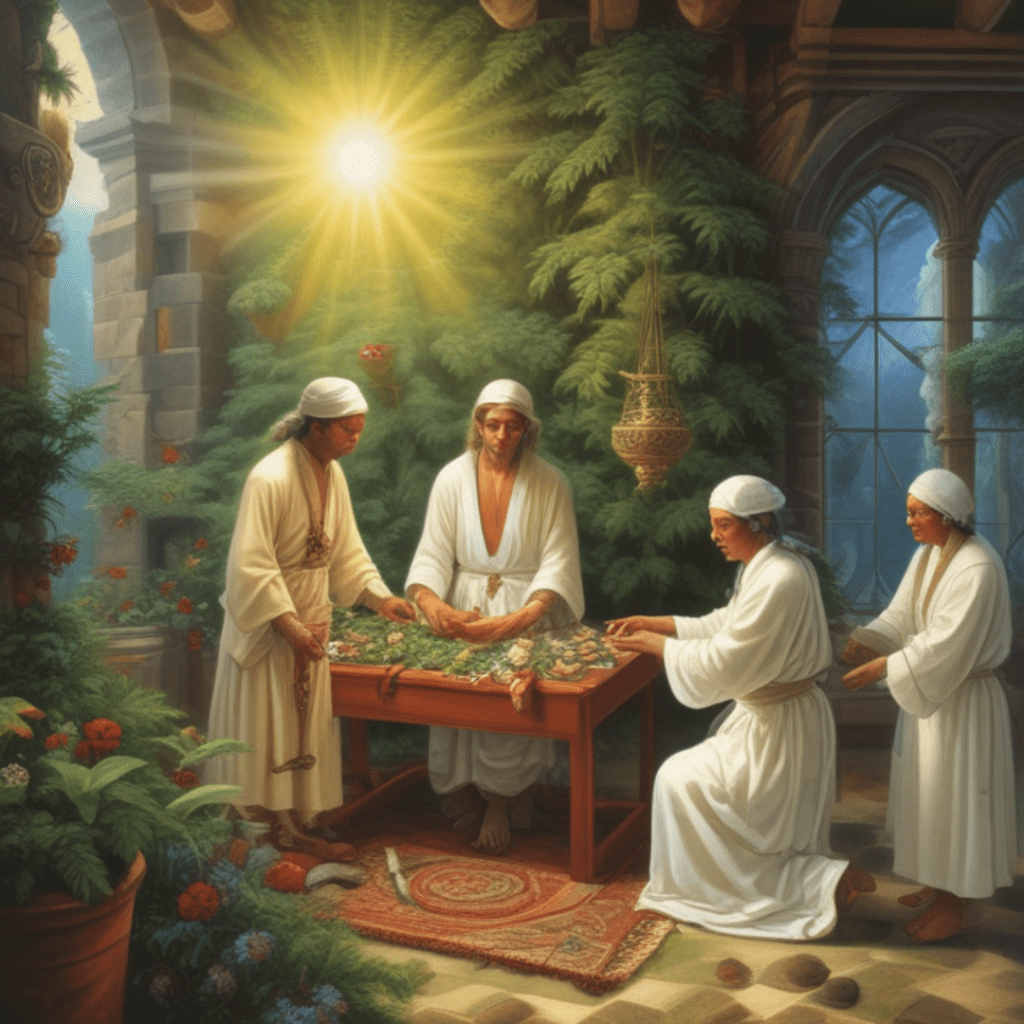
ICARO – THE SHAMAN’S SCALPEL

ICARO

What is the icaro?

In the mysterious Peruvian jungle, the ikaro emerges as a shamanic song that transcends the simple act of singing; it is a powerful vehicle for healing and communication with spirits.

Ícaros are not just melodies; they are musical prayers imbued with the essence of deities, ancestors, and natural elements. These chants, which can be both ancient and newly revealed by spiritual realms, are used during ceremonies, especially with entheogenic substances like ayahuasca, where the shaman enters an altered state of consciousness to connect with invisible forces.

Each shaman carries a personal repertoire of ícaros, a heritage from past teachers and from nature itself.

These songs take various forms: from simple verses that evoke sacred plants and animals to repetitive melodies that seem to arise directly from the divine.

In this context, the act of “icarar” is a manifestation of the healer’s power, charging objects with healing energy that, when administered, can bring cleansing, protection, or healing. The transmission of these ícaros does not occur through formal pedagogical means, but rather through deep experiences of spiritual connection, dreams, and visions that reveal their ancestral wisdom. Despite their lyrical simplicity, the ikaro often has a profound impact, resonating not only in the mind but also in the souls of those who receive it, creating a bridge between the human and the divine in the vast Amazon.

Melodies of Healing and Spiritual Connection

The music and lyrics of the ícaros stem from a profound process of communion with master plants, an art form that shamans develop over years of intense training known as the “diet.”

This practice involves voluntary isolation, in which aspiring shamans immerse themselves in a strict, ritualized diet that allows them to establish a fundamental spiritual connection. During this period, which can last from several months to years, shamans not only restrict their diet to basic elements such as rice and fish but also abstain from any activities that may interfere with their relationship with the plants, creating a nurturing space for the revelation of ancestral wisdom.  

At the heart of this tradition, the ícaros emerge as sacred songs that shamans receive as gifts from nature.

The experience of receiving an ícaro is powerful and personal, as described by one shaman: “I could only hear something, as if someone were singing at the back of my head…” Typically, the melody is revealed first, followed by the lyrics, which become ingrained in the shaman’s memory through repetition and recognition. These songs are more than mere melodies; they explain and exemplify healing practices, transformed by the emotional and spiritual connection that shamans have cultivated with their plant teachers.  

 Additionally, even those who regularly participate in ayahuasca ceremonies without having undergone a diet can experience the spontaneous reception of ícaros, acting as channels for these powerful melodies in moments of need.  

Culturally and spiritually, the ícaros are a manifestation of the rich legacy of traditional Amazonian medicine. These songs provide a bridge between the physical and spiritual worlds, serving as tools for emotional, physical, and mental healing. Shared across generations, these songs preserve the cultural and spiritual identity of the Peruvian people, enriching the lives of those who partake in these ceremonies.  

Icaros: Resonances of the Beyond 

 In the heart of the Amazon jungle, where shadows intertwine with golden light, the ícaros emerge as whispers from a hidden world.

They are not mere melodies; they are powerful vehicles of energy that connect the soul with higher dimensions. By entering an altered state of consciousness—whether through ayahuasca, hypnotic drumming, or ritual dances—individuals can transcend the veil of this reality and approach the divine.

These songs, often driven by ancestral spirits, allow shamans to “hollow themselves out,” becoming vibrational conduits.  Like a flowing river, the ícaros take shape from the perception of the shaman and the spirits surrounding them, creating a symphony of healing. Their vibrations resonate with the energetic body of those seeking help, allowing the soul to realign in harmony with the plan laid out by the ícaros.

At their essence, these songs are dynamic; they arise spontaneously according to the needs of the moment: they protect, heal, or unveil energies of elemental beings, weaving invisible landscapes in the minds of those who listen. 

The effects of an ícaro transcend logic; the sacred singer transforms, leaving behind their ego to resonate with the universe. Each healer is tuned into specific frequencies of this powerful energetic transmission, thus shaping the nature of their healing.

As guardians of the ceremonial space, they use ritual tools: the sound of the chakapa purifies, while the smoky mapacho creates protection against negative energies. As gauges of the soul, the ícaros do not only communicate; they also transform, inviting the listener to release resistances and embrace healing.  Now, the key to unlocking the power of the ícaro lies in the openness of the receiver. Resistance can create barriers that obstruct resonance. A simple act of trust in the shaman can be the gateway to profound transformation. Through the vibration of the ícaro and the teachings of ancestral healers, we can come to understand the wonders of the interface between sound and our physical being. 

Without the ícaro, ayahuasca is merely a shell; alongside it, it becomes a deep journey towards self-knowledge and healing. In every sacred song, the ícaros reveal not only secrets of the spiritual world but also the forgotten history of our own essence, reminding us that we are a symphony in constant evolution.  Immerse yourself in this journey, where the ethereal ícaros await to liberate you, heal you, and connect you with what you have always longed for.

The Power of Icaros in Spiritual Healing

These melodies are powerful tools that facilitate transformative experiences. Below, we will explore their most common uses:

1. Energetic Protection:

Shamans sing icaros to create a safe and protected space during ceremonies. They invoke spirits of plants and animals that act as guardians, safeguarding all participants from malevolent influences.

2. Induction of Visions:

Icaros also establish a connection between the participant and the spiritual worlds. By doing so, they allow profound visions to flow, which can guide the healing process.

3. Opening Portals:

By invoking the spirits of various entities, shamans open portals to parallel realms and facilitate the transit of souls to places of healing and revelation.

4. Stabilization of Experiences:

During altered states, where visions may become overwhelming, certain icaros help participants navigate and stabilize their experience, ensuring a safe return to full consciousness.
5. Invocation of Spiritual Helpers:

Each song can direct energy toward healing plants, ancestors, or deities, thus reinforcing the healing effect of the ritual.
6. Energetic Cleansing:

Some icaros create an energetic tumult that facilitates the release of stagnant emotions or negative energy, allowing for deep purification to occur.

7. Energy Transfer:

It is possible for one participant to transfer energies to another, which can result in collective healing or the purification of harmful energies.

8. Deep Healing:

These songs focus on restoring the mind-body-spirit balance, providing love, emotional release, and specific healing of organs or aspects of the self.

9. Defense Against Spells:

In situations of witchcraft, shamans invoke protective forces to repel adverse influences, using powerful icaros charged with defensive energy.

10. Positive Manipulation:

There are icaros that allow for influence over negative behavioral patterns, promoting positive changes when used with good intentions.

These sacred melodies enrich shamanic ceremonies, making icaros an essential element in spiritual and emotional healing, each with a specific purpose and a deep connection to ancestral traditions. As they take shape through the shaman’s voice, icaros become bridges between the physical and the spiritual, guiding participants toward health and clarity.


Common Types of Icaros

– **Warmikara:** To attract love and emotional connection.  

– **Shitana:** To counteract spells.  

– **Manchari:** To eliminate fear.  

– **Arkana:** Protection against negative energies.

Through these songs, the shaman not only guides the participants but also weaves a fabric of healing that encompasses all dimensions of being. The vibrations of the icaros endure, resonating in the soul and liberating what is wounded, reminding us of the ever-present potential for transformation in every ceremony.

It is important to remember that the meaning or intellectual understanding of the words of the ikaro are not necessarily important; what matters is the vibration that it transmits. Studies by Japanese doctor Masaru Emoto have demonstrated the power of sound in water. If we recall that 70% of our body is water and that ayahuasca is a liquid, we can see that for thousands of years, Amazonian healers have known the healing power of sound, which, in combination with ayahuasca, can accomplish what most people call miracles. Sound can change and modify the cells of the body and have a significant impact on our healing. If you don’t believe me, read Masaru Emoto’s book: “The Hidden Messages in Water.” Ayahuasca alone cannot perform miracles; there are many other factors and circumstances surrounding this medicine that the Western mind must understand. Ayahuasca without ikaro is like a silent singer, like an empty eggshell. 

-Love and gratitude.-

Naysha

Read more

Ayahuasca Icaros

Icaros ~ The Fruit of Dieta ~  Sonic Invocations for Guardianship, Connection and Healing

¿Qué son y cómo funcionan los ícaros de la ayahuasca?

The ‘Icaro’ or Shamanic Song

San Pedro: The Sacred Guardian of the Heavens

San Pedro, scientifically known as **Trichocereus Pachanoi**, is a magnificent columnar cactus that thrives in the breathtaking Andes mountains of Peru and Ecuador. This cactus has been revered by indigenous cultures for centuries and goes by various names such as **Huachuma**, **Achuma**, and **Wachuma**, reflecting its profound cultural and spiritual significance. San Pedro is considered one of the four sacred plants of Peru, alongside tobacco, ayahuasca, and coca. Its use has been an integral part of shamanic ceremonies since at least 1500 B.C., intertwining its history with the arrival of Spanish conquerors who bestowed upon it the name of Saint Peter, symbolizing its potential to open doors to higher realms.

Huachuma: The Headless Man

The term **Huachuma**, literally meaning “headless man,” symbolizes a deep spiritual aspect that transcends the ego and limitations of rational thinking. This concept emphasizes the importance of moving beyond rational considerations in shamanic contexts, allowing participants to reach higher consciousness experiences.

The figure of the “headless man” suggests disconnection from the individual self, enabling a sense of unity with the universe. This approach encourages a more intuitive and emotional understanding on the path to healing and self-discovery.

Connecting with Nature and Healing

San Pedro isn’t just a fascinating cactus; it also offers profound emotional and spiritual health benefits. Consuming this plant enables many individuals to reconnect with nature, which in turn enhances their overall well-being. This plant facilitates a sharper perception of the energetic field surrounding us, helping individuals comprehend their interconnection with all living beings.

Moreover, San Pedro possesses exceptional healing properties, supporting various healing practices like reiki, reflexology, and yoga. Many artists find that their creativity flourishes under its influence, discovering new ways to express themselves.

Benefits of San Pedro

1. Emotional Healing: It aids in releasing emotional blockages and past traumas.

2. Spiritual Connection: Facilitates mystical experiences and a deeper connection with oneself and the universe.

3. Creativity Boost: Stimulates imagination and allows for greater creative flow.

4. Personal Growth: Encourages self-exploration and self-discovery.

5. Therapeutic Effects: Can be beneficial for mental disorders such as anxiety and depression.

6. Body Purification: Many individuals undergo purges that they find liberating and healing.

7. Enhanced Appreciation of Nature: Promotes awareness of our relationship with the environment.

8. Energetic Balance: Harmonizes chakras and restores energy flow within the body.

9. Deep Relaxation: Generates feelings of peace and tranquility.

10. Open-Mindedness: Encourages new perspectives on life.

Perspectives Through Intentions

Before participating in a San Pedro ceremony, it is essential to set **clear intentions**. Defining what one wishes to achieve can bring direction to the experience. Reflecting on aspects that need improvement or release provides a valuable framework for a personal journey. Writing down these intentions can serve as a reminder during the ceremony.

Paying attention to details may help manifest negative thought patterns or physical ailments arising from underlying emotional struggles. Working with San Pedro can result in deep self-discovery, offering clarity on the necessary steps to break harmful cycles.

The San Pedro Experience

The effects of San Pedro begin between 45 minutes to 2 hours after consumption and typically last around 10 hours. Users often describe the experience as lucid and active, moving through a state of mild alteration. Unlike psychoactive substances such as alcohol, the state induced by San Pedro is less disorientating. While some might experience purging, any initial discomfort tends to dissipate quickly, allowing for a deeper exploration of consciousness.

Though its taste can be bitter, the experience unfolds on both visual and emotional levels, revealing transcendent truths that extend beyond intellectual understanding.

The Energy of San Pedro and Ayahuasca

The contrasts between San Pedro and Ayahuasca are notable:

5 Differences Between Ayahuasca and San Pedro

1. Origin: San Pedro is a cactus native to arid regions; Ayahuasca is a vine that grows in tropical jungles.

2. Effect: San Pedro offers more extroverted and connected experiences, while Ayahuasca lends itself to deep introspections.

3. Duration: San Pedro acts for about 10 to 18 hours; Ayahuasca lasts between 4 to 8 hours.

4. Ingredients: San Pedro utilizes only the cactus; Ayahuasca involves multiple plants.

5. Cultural Perception: San Pedro is viewed as a “wise grandfather,” while Ayahuasca is seen as a “grandmother.” Both plants symbolize different significant roles in spirituality and personal growth.

Reflections

Engaging with the sacred energies of San Pedro can radically transform one’s perception of life, fostering connections with oneself and the environment. In these enlightening journeys, embrace each revelation with love and gratitude; allow each experience to guide you toward greater wisdom. Thus, we not only recognize our personal truths but also integrate into the universal love that binds us all in this magnificent tapestry of life.

Are you ready?

Exploring Ayahuasca Surgeries: A Deep Dive into Spiritual Healing

Ayahuasca, a powerful psychedelic brew originating from the Amazon rainforest, has garnered attention not only for its psychological effects but also for the unique experiences it offers during ceremonies. Among these experiences is what many refer to as “Ayahuasca surgeries”—a profound journey of spiritual healing that can leave participants with lasting impressions and insights.

What Are Ayahuasca Surgeries?

Not to be confused with medical procedures, Ayahuasca surgeries are metaphysical experiences where individuals feel as though they are undergoing a form of energy work or soul repair. Participants often report sensations akin to physical surgery, albeit in a deeply spiritual context. Instead of scalpels and anesthesia, these “surgeries” involve spiritual elements and energetic interventions aimed at healing emotional traumas, physical ailments, and mental blockages.

The Essence of Spiritual Surgery

Spiritual surgeries occur through the guidance of shamans and spirits, illuminating the body’s energetic landscape. Participants might experience the following types of surgeries:

  1. Energy-Level Surgeries: Transformative experiences focused on the body’s chakras, or energy centers. Each chakra correlates with specific aspects of our physical and emotional health. For instance, those who have experienced trauma might feel energies being cleared from their sexual chakra, often correlating to feelings ranging from pain to pure bliss as the healing unfolds.
  2. Physical-Level Surgeries: Some report significant relief from chronic physical conditions post-ceremony. Those with family histories of diseases like osteoporosis or arthritis have shared testimonies of alleviated pain and improved bodily functions. Surreal experiences like urinating stones after a ceremony demonstrate the dramatic, tangible changes some participants claim to undergo.
  3. Mental-Level Surgeries: This type often involves visual and audible hallucinations where participants describe an otherworldly surgical team engaging in repairs throughout their consciousness. Many liken this process to a ‘high-frequency tune-up’ where thoughts and emotions are realigned with one’s higher self.

Who Are the AYAHUASCA Surgeons?

Participants often describe encounters with various spirits during these ceremonies. The most prominent among them are the spirits of plants, cultivated by shamans over generations. Engaging with these spirits allows for a comprehensive understanding of nature’s medicinal properties and how they can facilitate healing. In addition to plant spirits, some witnesses share experiences with extra-dimensional beings, suggesting the existence of consciousnesses beyond our understanding, sometimes referred to as “extraterrestrial” influences.

Understanding the Role of Shamans

Shamans play a pivotal role in the Ayahuasca experience. They function as intermediaries between worlds, utilizing their knowledge of spiritual practices and plant medicine to guide participants through their individual healing processes. During a practice known as DIETA, shamans behave like communicators of ancestral wisdom, dive deeper into specific issues while connecting with other plant spirits to enhance the healing.

The Layered Healing Process

Healing through Ayahuasca is often described as peeling an onion. The complexity of human emotions means that the recovery process involves many layers, each requiring attention. Here’s a simplified overview:

  1. Recognition of Trauma: Participants often experience awareness of unresolved issues before commencing healing.
  2. Forgiveness: A vital step where participants find themselves ready to forgive both themselves and others involved in their traumas.
  3. Acceptance: Understanding that the past no longer holds power and integrating lessons learned.
  4. Release: The cathartic moment when one lets go of all burdens, often celebrated with joyous feelings of freedom and liberation.

How Can You Prepare for Your Ayahuasca Journey?

If you’re considering participating in an Ayahuasca ceremony, preparation is key. Engage in self-reflection, set clear healing intentions, and maintain an open heart to receive guidance and healing. Research reputable facilitators to ensure a safe environment, and understand the cultural significance of this ancient practice.

Conclusion

Ayahuasca surgeries provide a fascinating glimpse into alternative and spiritual healing practices. Whether grounded in indigenous traditions or emerging through contemporary spiritual journeys, they offer a pathway for deep emotional and mental healing. While each experience is uniquely personal, the potential for transformative growth presents an alluring opportunity for many. As always, approach this powerful journey with respect, openness, and a readiness to explore the depths of your being.